Book Affordable Bus Tickets to Río Dulce
Buses to Río Dulce and onward boats to Lívingston — Guatemala's Caribbean coast and Garífuna culture
Why choose Spring Bus?
Spring Bus is the best way to find bus tickets to Río Dulce

Plan your perfect trip
Find and book your bus tickets in just a few clicks.

Best prices
We partner with top bus companies to provide you with the best prices available.

Flexible Booking
Change your travel plans as needed with our flexible booking options.
Río Dulce is a river town in Guatemala's Izabal department, where Lake Izabal flows through dramatic limestone canyons toward the Caribbean Sea. The town itself is functional rather than scenic, but it's the staging point for the iconic boat trip downriver to Lívingston — a roadless Garífuna town at the river mouth that's accessible only by water.
Spring Bus connects you to operators running scheduled service into Río Dulce from Guatemala City (~5–6 h via the Litegua line), Flores (~5–6 h shuttle), and Antigua (~6–7 h). The ~45-minute lancha downriver from Río Dulce to Lívingston is the trip's highlight.
Popular routes to Río Dulce
Estimated travel time, distance and shared-shuttle fare ranges for the most common routes into Río Dulce.
From Guatemala City
- Duration
- ~5–6 h
- Distance
- 280 km
- Fare (shared shuttle)
- $15 – $25 USD
- Frequency
- Litegua buses daily
From Flores
- Duration
- ~5–6 h
- Distance
- 250 km
- Fare (shared shuttle)
- $20 – $30 USD
- Frequency
- Daily shuttle
From Antigua
- Duration
- ~6–7 h
- Distance
- 310 km
- Fare (shared shuttle)
- $30 – $45 USD
- Frequency
- Daily
From Lívingston (by lancha boat)
- Duration
- ~45 min
- Distance
- 30 km river route
- Fare (shared shuttle)
- $15 – $20 USD
- Frequency
- Multiple daily
From Puerto Barrios
- Duration
- ~2 h
- Distance
- 90 km
- Fare (shared shuttle)
- $5 – $10 USD
- Frequency
- Daily
From Cobán
- Duration
- ~5–6 h
- Distance
- 200 km
- Fare (shared shuttle)
- $20 – $30 USD
- Frequency
- Daily
Routes from Río Dulce
Direct bus and shuttle service leaving Río Dulce for other destinations in Guatemala — tap any route for travel time, fares, operators, and FAQs.
How to get to Río Dulce by bus
Most travelers reach Río Dulce by Pullman bus from Guatemala City or by shuttle from Flores en route to/from Tikal.
By Pullman bus from Guatemala City (most common)
The Litegua bus line runs frequent service from Guatemala City's Zona 1 terminal to Río Dulce — ~5–6 hours, Q100 – Q150 ($15 – $20 USD) depending on class. Buses also continue to Puerto Barrios. Reserved seating; A/C on the better classes.
By shuttle from Flores or Antigua
Tourist shuttles run daily from Flores (~5–6 h, $20 – $30 USD) and from Antigua (~6–7 h, $30 – $45) — a popular eastern-Guatemala loop combining Río Dulce with Tikal and Semuc Champey.
By lancha boat to Lívingston (the main draw)
Public lanchas run between Río Dulce town and Lívingston — a 45-minute trip downriver through limestone canyons, past hot springs, manatee habitat, and a bird-rich wetland. Fare is Q100 – Q150 ($15 – $20 USD) one-way. Multiple departures per day; book through your hotel or at the dock.
About Río Dulce
Río Dulce sits at the eastern end of Lake Izabal, where the lake begins its descent to the Caribbean Sea. The Castillo de San Felipe — a small 17th-century Spanish fort at the lake outlet — was built to defend against Caribbean pirates. The river itself runs through dramatic limestone gorges with thick jungle on both sides; the boat ride to Lívingston is one of Guatemala's most scenic.
Lívingston is unlike anywhere else in Guatemala — a small Garífuna town with Afro-Caribbean culture, no road connections to the rest of the country, and a distinct cuisine featuring tapado (a coconut-based seafood stew). It's also a common border point: weekly ferries run to Punta Gorda, Belize (Tuesdays and Fridays).
Travel tips for getting to Río Dulce
- Stay riverside, not in the town center. Río Dulce town is functional but not scenic; the riverside hotels (Backpackers, Bruno's, Tortugal) have the views.
- The Lívingston boat is the main attraction. Book a hotel that arranges it, or walk to the public dock.
- Bring mosquito repellent and high-SPF sunscreen — both are intense on the Caribbean side.
- Try tapado in Lívingston — coconut + seafood stew, the regional specialty.
- Belize ferries run Tuesdays + Fridays only. Lívingston → Punta Gorda is a 1-hour boat crossing; plan around the schedule.
- Cell signal is fine in Río Dulce, spotty in Lívingston. Download offline maps.
Bus to Río Dulce — frequently asked questions
How do I get from Guatemala City to Río Dulce?
Litegua runs frequent Pullman buses from Guatemala City Zona 1 to Río Dulce — ~5–6 hours, $15 – $25 USD. Reserved seating; A/C on the upper classes. Some buses continue to Puerto Barrios.
How do I get to Lívingston from Río Dulce?
Public lanchas (open motorboats) run multiple times daily — ~45 minutes, $15 – $20 USD one-way. The ride downriver is scenic: limestone gorges, hot springs, manatee habitat. There's no road to Lívingston; the boat (or a flight to Puerto Barrios + smaller boat) is the only access.
Can I cross to Belize from here?
Yes — public ferries run from Lívingston to Punta Gorda, Belize on Tuesdays and Fridays (~1 hour, $25 – $30 USD). Less common but possible: a longer boat to Honduras (Puerto Cortés).
Is it safe in Río Dulce and Lívingston?
Both are widely visited by international travelers and considered safe during daylight hours. Lívingston is small and walkable. The usual precautions apply at night in both — stay near the main areas.
How long should I stay?
Most travelers spend 1–2 nights in Río Dulce plus 1–2 nights in Lívingston as part of a longer eastern-Guatemala loop. The boat trip + Castillo + a coffee at sunset can fit in a single overnight if you're moving fast.
What's the boat trip from Río Dulce to Lívingston like?
Beautiful — ~45 minutes downriver through tall limestone canyons. Common stops/sights include hot springs on a riverside rock face, the Biotopo Chocón Machacas manatee reserve (manatees rarely visible but possible), and herons/kingfishers along the banks. Bring sun protection.
Other destinations in Guatemala
 Destination
Antigua Guatemala
Sacatepéquez
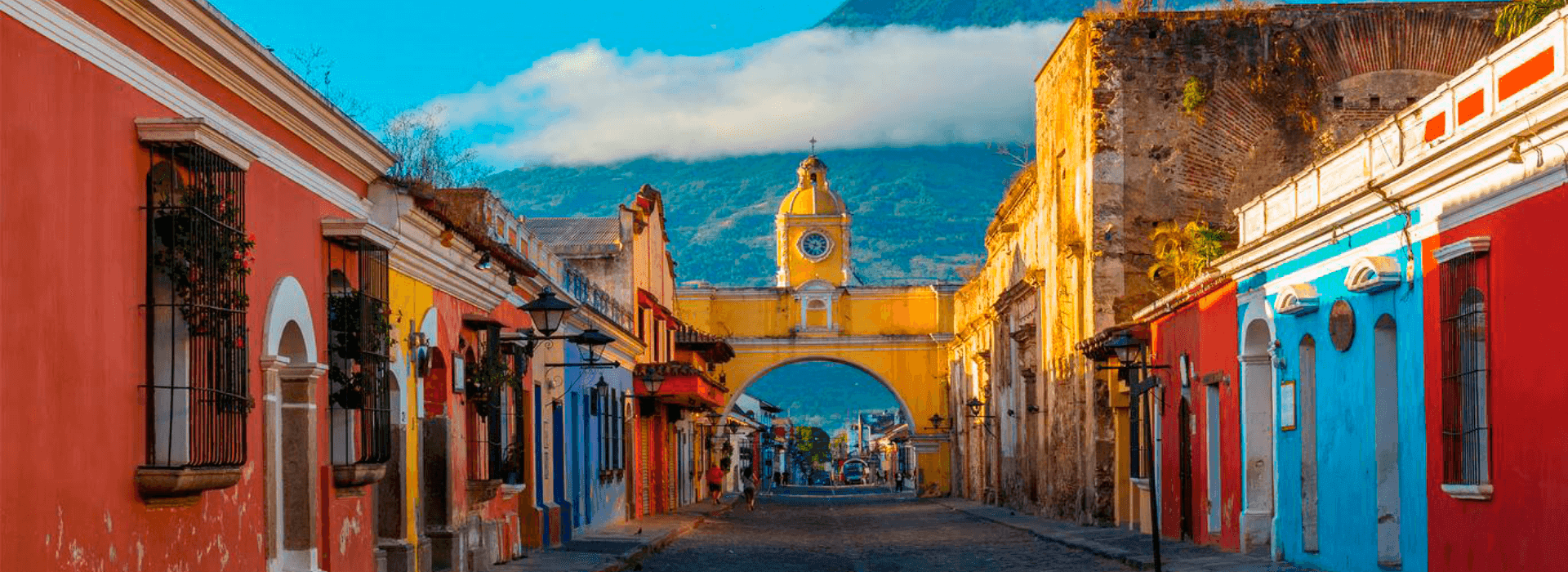
UNESCO-listed colonial city in Guatemala's Sacatepéquez highlands, about one hour west of Guatemala City. Cobblestone streets, baroque churches, ruins, and surrounding volcanoes; the cultural and gastronomic centre of the country and the most popular bus and shuttle destination from the capital.
 Destination
Tikal
Petén
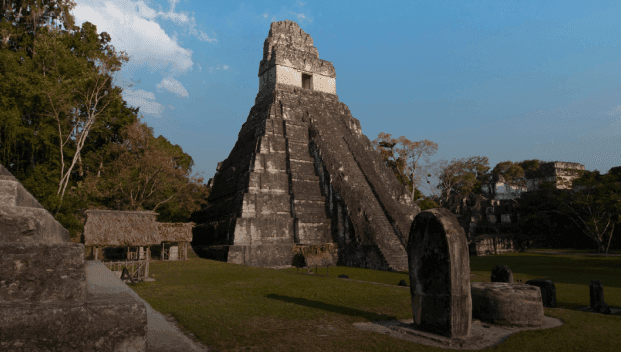
Ancient Maya city and UNESCO World Heritage Site in Guatemala's Petén jungle. Towering pyramids, the Great Plaza, and the Temple of the Jaguar, reached by a one-hour shuttle from Flores; the most-visited archaeological site in Central America.
 Destination
Lake Atitlán
Sololá
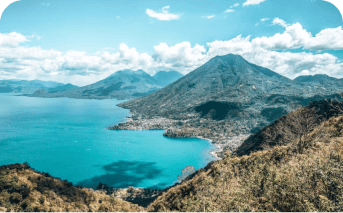
Volcanic crater lake in Guatemala's western highlands, ringed by three volcanoes and eleven Mayan villages including Panajachel, San Pedro, and San Marcos La Laguna. Reached by tourist shuttle or public bus from Antigua and Guatemala City; primary entry point is Panajachel.